


Live Dealer Tables: What to Expect
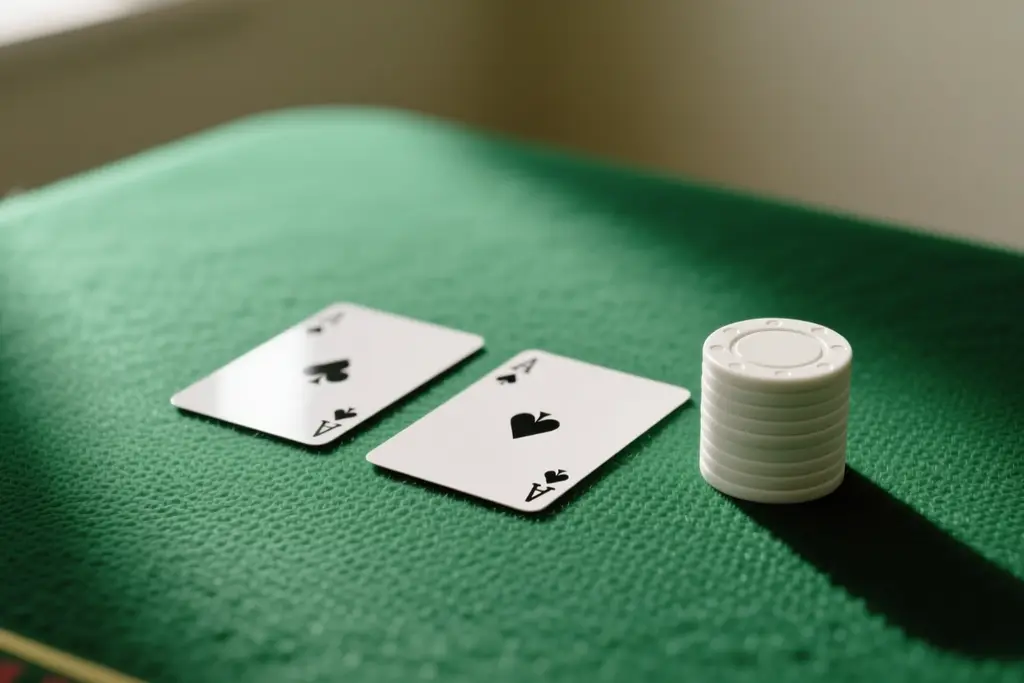
Live dealer tables bring a real croupier, a real table and a real card shoe to your screen through a video stream. The format sits between a land-based casino and a software game, and it behaves differently from both in ways that matter for pacing, limits and control. This guide explains how a live studio is set up, what the betting window does to your decisions, and how the experience differs from a randomly generated table. It is intended for players aged 18+ who want to know exactly what they are joining.
How a live studio actually runs
A live table is filmed in a dedicated studio where the dealer works in front of cameras and the results come from physical equipment rather than a random number generator. Cards are dealt from a real shoe and the ball is spun on a real wheel, so the outcome is decided by the same mechanics as a land-based table. The video is streamed to your device with a small transmission delay, which is why the on-screen timer often runs slightly behind the dealer's voice. Because everything is filmed in real time, the pace is set by the table and not by how fast you click.

Each table has its own betting window, and once it closes the dealer will not accept new stakes for that round. The window is usually shown as a countdown so you can see how much time remains before the cut-off. Some studios run faster formats with shortened windows, while others run slower tables that give more time to decide. If you miss a window, the stake is simply not placed for that round, which is one reason live play feels less rushed than spinning a software game.
Limits, seats and table types
Live tables are grouped by limit level, from low-stakes tables aimed at casual players to higher-limit tables with larger minimums. The minimum and maximum are fixed per table and are normally displayed on screen before you take a seat. Some tables allow unlimited seats, while others cap the number of players and make you wait for a place to open. Choosing a table whose limits fit your staking plan is the single most practical decision you will make.
Studios also vary the game variants they host, so you may find different roulette wheels, blackjack rule sets and baccarat formats side by side. A VIP or private table usually offers higher limits and a quieter room, while a speed table compresses the time between rounds. The rules panel for the specific table is the reliable source for how that variant settles. Compare two tables with the same name carefully, because their limits and rules can differ.
How live tables differ from software games
The clearest difference is the source of the result, because a live table resolves through physical cards or a physical wheel rather than through generated numbers. That means there is no autoplay button and no adjustable spin speed, since the dealer controls the tempo of every round. Interaction is another difference, as many tables include a chat window where players can talk to the dealer and to each other. The trade-off is that a live table needs a stable connection, and a dropped stream can interrupt the round you are watching.
Software games offer near-instant rounds, autoplay and a guaranteed consistent pace, while live tables offer transparency and a social element at the cost of speed. Neither format changes the underlying house edge of the game, so the choice is really about experience and control. A player who wants to slow down and see every hand dealt may prefer live, while someone testing a strategy quickly may prefer software. Many players use both, depending on mood and the time they have available.
| Feature | Software table | Live table |
|---|---|---|
| Result source | Generated numbers | Physical cards or wheel |
| Pace | Set by the player | Set by the dealer and timer |
| Interaction | None beyond the interface | Dealer chat and other players |
| Connection | Tolerant of weak links | Needs a stable stream |
| Availability | Any time, unlimited rounds | Subject to seats and studio hours |
Handling connection drops and disputed rounds
A lost connection during a live round is the most common practical problem, and the way it is handled depends on the studio and the operator. In most cases the round is completed on the studio side and the result stands, even if you could not see it happen. If a bet was placed before the window closed, it usually remains valid regardless of the stream. Keep a note of the round reference if something looks wrong so you can raise it with support afterwards.
It also helps to check the platform requirements before you join a high-stakes table, because an unstable link is more disruptive when the stakes are larger. A wired connection or a strong signal reduces the chance of a freeze at the wrong moment. If a table repeatedly freezes for you, move to a different table rather than persisting with a poor connection. Reliable access is part of the experience, not a detail to ignore.
What to check before your first live round
- Confirm the table limits and pick a level that fits your staking plan.
- Watch one full round before betting so the timer and flow are clear.
- Read the rules panel for the exact variant in front of you.
- Check how the studio handles disconnections and voided rounds.
- Set a session budget in advance and keep to it as the pace slows.
Live dealer tables are enjoyable when expectations match reality, so treat the studio pace as part of the game rather than an obstacle. Give yourself a moment at the start of each session to confirm limits, variant and connection quality, and the rest of the experience will feel far smoother. Play only with money you can afford to lose, respect the 18+ age rule, and always check the current terms on the operator's official terms page for the conditions that apply to your account.
More in this section
Other guides from Casino Games.
Related reading
Slots at Ebet: Features and Volatility
Autoplay, free spins and volatility — how slot categories differ in pace.
Table Games: Rules to Check First
Roulette, blackjack and baccarat variants, side bets and house edge basics.
Demo Play versus Real Money
What demo mode teaches you and what it hides about playing for real.